
How is flyrock prevented during blasting?
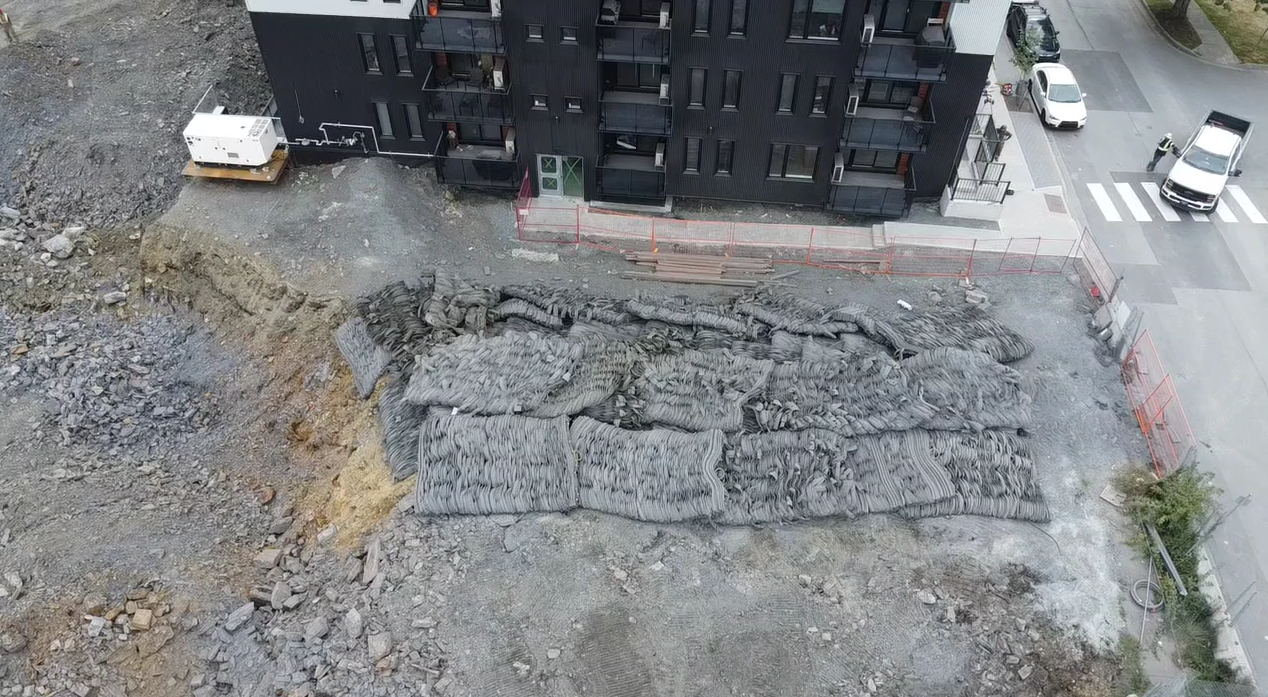
When people hear the word “blasting”, one of the most common concerns is safety. A question we often hear is: How is flyrock prevented during blasting?
Flyrock refers to pieces of rock that are projected beyond the intended blast area. While it is a recognized hazard in the blasting industry, professional blasting contractors use careful planning, proven techniques, and strict safety procedures to minimize and prevent flyrock.
A successful blast requires planning and precision. The goal is to use the appropriate amount of energy to break the rock efficiently while controlling the movement of broken material and protecting the surrounding area.
Careful Blast Design and Planning
Flyrock prevention begins long before any explosives are loaded. Every blasting project is evaluated based on site-specific conditions, including:
Rock type and geological conditions
The location of nearby structures and equipment
The amount of rock that needs to be removed
Drilling patterns and hole depths
The amount and placement of explosives
A properly designed blast ensures that energy is directed into breaking the rock rather than creating unnecessary movement.
Proper Drilling Techniques
Accurate drilling is one of the most important parts of a safe blast. The spacing, depth, and angle of each drilled hole are carefully planned to match the conditions of the site.
Poorly positioned or incorrectly drilled holes can affect how energy moves through the rock. Professional drilling helps create predictable results and reduces the risk of unwanted rock movement.
Controlled Explosive Loading
The amount of explosive used in a blast is carefully calculated. Experienced blasting professionals determine the appropriate charge size and placement based on the specific project requirements.
Using the correct amount of energy helps achieve proper rock fragmentation while reducing the potential for flyrock.
Use of Blast Mats and Protective Measures
When conditions require additional protection, blast mats may be used to help contain broken rock during the blast.
Other safety measures include:
Establishing appropriate exclusion zones
Clearing people and equipment from the blast area
Inspecting the blast site before and after blasting
Following established safety procedures and regulations
These procautions provide additional protection for workers, customers, and surrounding properties.
Experience and Communication Matter
Every blasting project is different. Factors such as the surrounding environment, rock conditions, and project goals all influence how a blast is designed and executed.
Experienced blasting contractors understand that safety starts with preparation. Careful planning, attention to detail, and communication with the customer are essential parts of every successful project.
Choosing a Professional Blasting Contractor
Flyrock prevention is one of the many reasons why professional drilling and blasting should be completed by experienced, qualified contractors.
At Coastal Rock Removal, we focus on safe, controlled and precise blasting solutions for residential and commercial projects. With over 20 years of construction experience, we understand the importance of proper planning and quality workmanship.
If you have a rock removal project that requires professional drilling and blasting services, contact Coastal Rock Removal to discuss your project.
